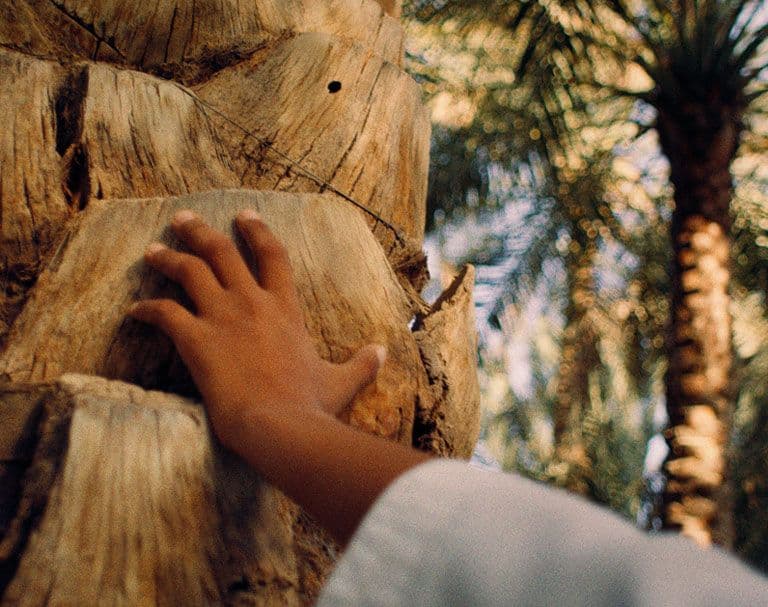
I must have looked nervous, because Umm Khalfan softly remarked: “If the meat cooks beautifully, then surely good fortune is on your side.” But there I still was, reminding myself of what Bu Khalfan cautioned about the challenge of cooking a small lone lamb in the Tanoor. We were surrounding an underground fire pit, known as Tanoor, that has been sealed with mud to keep the heat of the burning woodfire and steam for almost 24 hours.
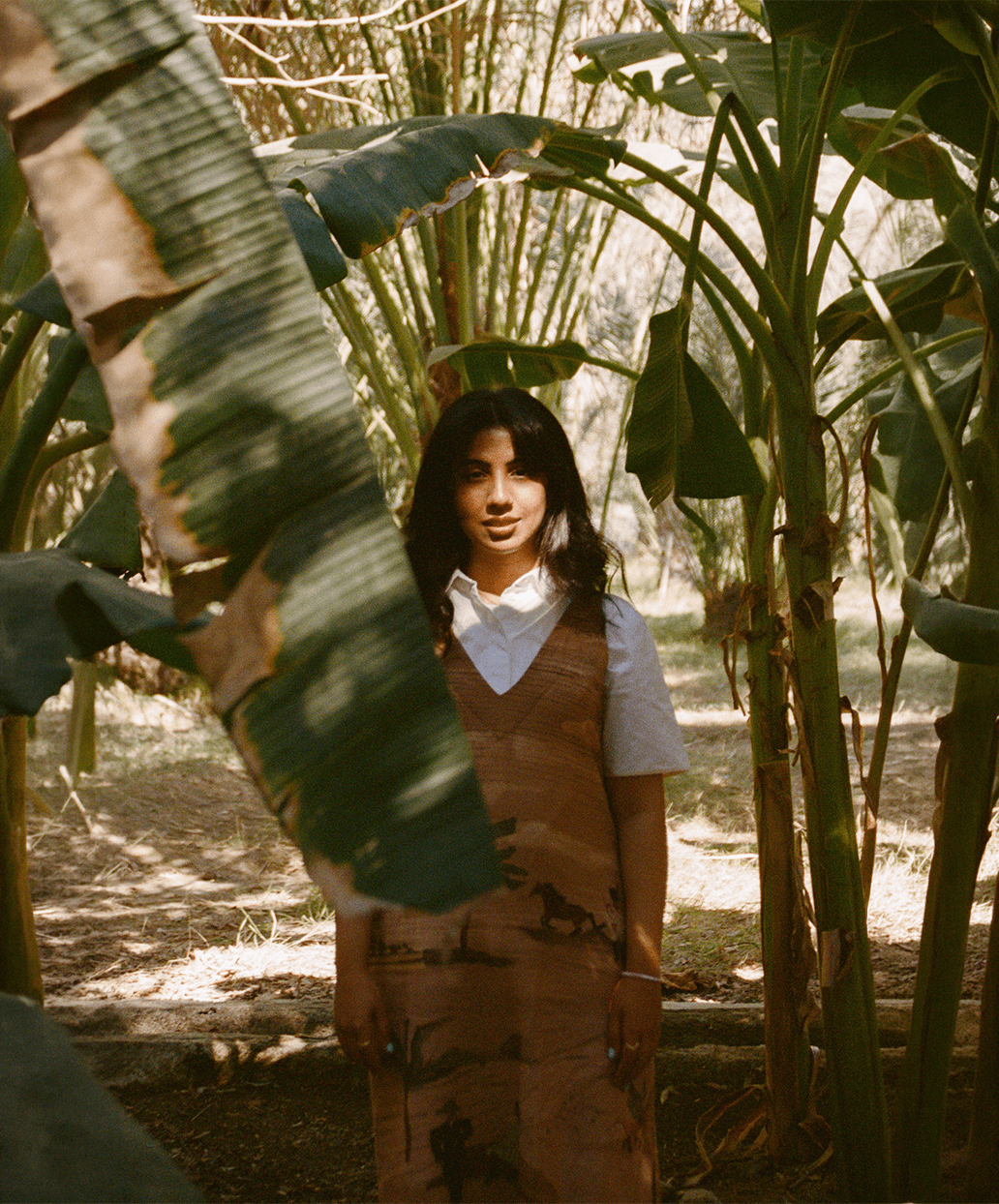
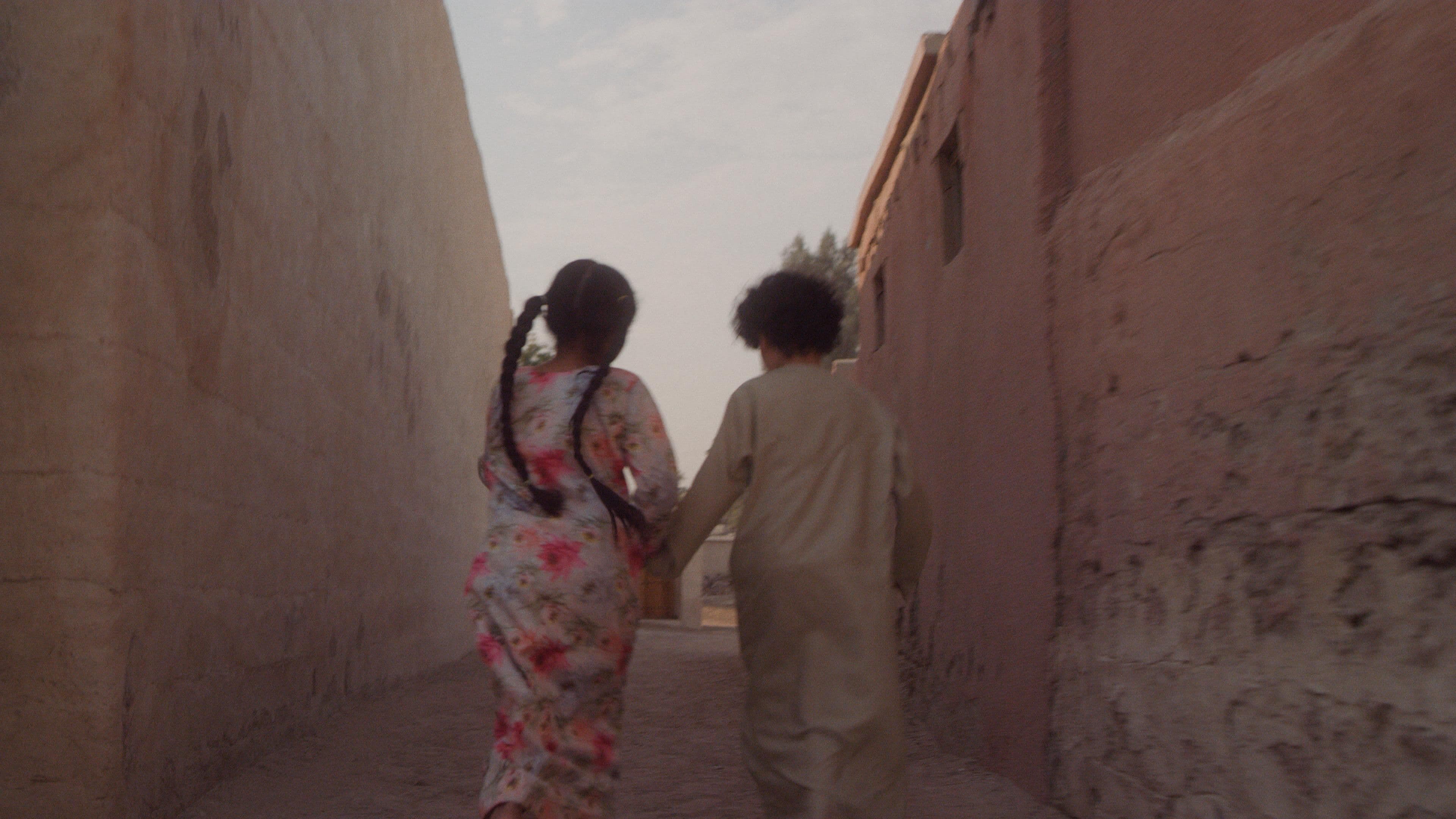
A photographer and I arrived in Hatta on a November noon to meet with the chef Saeed Albedwawi, also known as Bu Khalfan, on a cookbook assignment to document the 2 day process of cooking lamb in underground ovens. When I had asked around in Hatta on who would be the appropriate person to show me the process, all responses led to chef Saeed. Along with his life and cooking companion, his wife Umm Khalfan, they welcomed us warmly into their family farmhouse, where they host their guests, raise their livestock and goat breeds, and cook upon receiving orders from their neighbours in Hatta, all the way westward to Abu Dhabi, and everywhere in between.
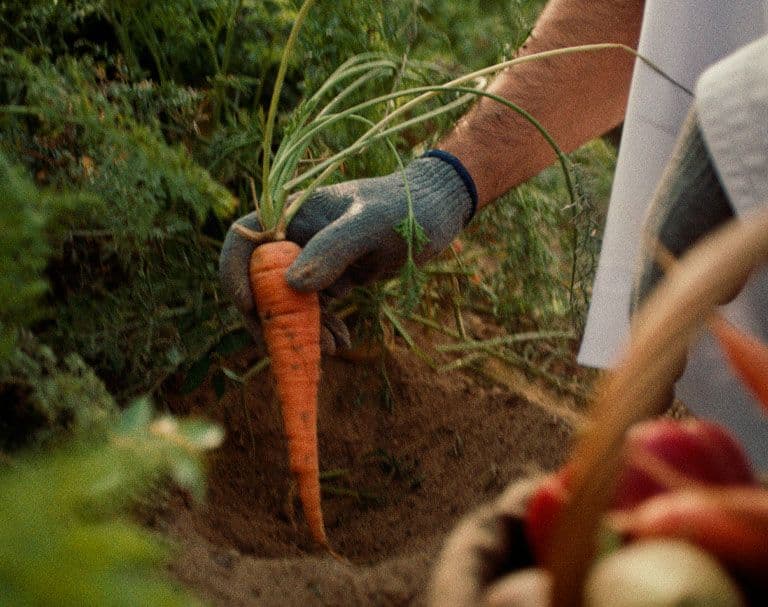
What began as a hobby slowly became something more official over the past five years, though it still feels more like a family tradition than a business The work itself stretches much further back than that. Both Bu Khalfan and Umm Khalfan credit their learning to their families and parents, from a time when gathering ingredients from the land and preparing meals were activities families did together. Umm Khalfan herself learned much of what she knows from her late aunt, while Bu Khalfan now finds himself passing what he himself learned from his parents down to the next generation, including his son Marwan and their newly opened food truck that they run together. Yet even with the growth of their work, everything is still managed by the family, without external help As Umm Khalfan later reflected to us, “We were created on this earth to help each other.”
Back on the farm, we were gently ushered and seated in the majlis upon our arrival, with the tea and coffee thermoses awaiting to be poured as we waited for lunch. It wasn’t going to be the lamb tanoor on the menu today; we were so touched that the invitation was generously extended to us to have a family style meal before we begin the preparation and documentation process.
Over a hearty dish of Chicken Machboos, Umm Khalfan engaged us in conversation not dissimilar from ones I would have with my cousins after not having seen each other for a while. Her warmth and friendliness quickly put us at ease, and we soon found ourselves chatting and joking as though we had known each other for years.
Ironically, it did dawn on us that we have not formally got to know each other. Amusingly, Bu Khalfan decided to remind us that we do need a round of introductions. Saeed Albedwawi is a chef, poet, and playwright who, by his own admission, is able to express himself creatively because of the support of his wife and children. Umm Khalfan is a source of strength and support for the family, and she runs her own independent business in making traditional fragrances. While managing their businesses, pursuing their interests and raising their family, they have learned to support and understand each other. Married since 1999, they have raised four daughters and four sons together, while also carrying the grief of losing one of their children, and have now become grandparents to their first grandchild while still in their forties.
Their closeness was apparent in how naturally they worked together, often knowing what the other needed without having to ask. Bu Khalfan would explain something and Umm Khalfan would effortlessly fill in the details he missed. If Umm Khalfan preferred the setup arranged a certain way, he quietly adjusted it to her exact liking. Watching them work together showed the understanding, patience and care they had developed over many years.
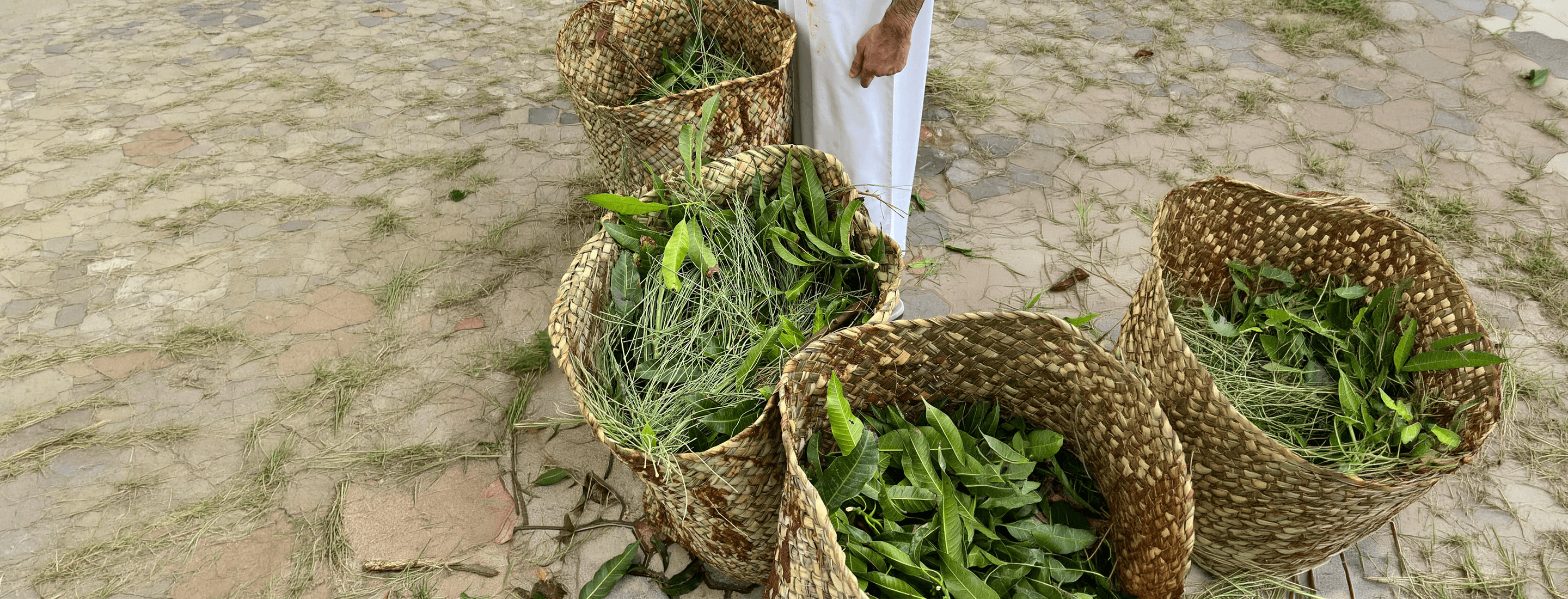
After lunch we accompanied him with our eyes to see just how he does it. We stepped over to the outdoor preparation area where the Wakheefa was prepared and layered carefully before being sealed shut. We hurried outside the farmhouse gate towards the pit where the burning woodfire had already turned into charcoal. In went the Wakheefa in a swift drop, and in a blink of an eye the lid was pulled to cover the pit and heavily covered with mud to seal it so no heat escapes.
We waited eagerly to see the final result. We would soon find out how well the lamb had cooked as the pit was opened and the steam and smoke escaped. The Wakheefa was pulled out carefully, releasing the scent of earthy hopbush leaves mixed with spices. Upon cutting open the woven pouch, a collective sigh of relief was let out as we saw the lamb had cooked beautifully, taking on a rich colour, as Bu Khalfan lay it on a bed of hot rice mixed with fried onions and spiced lentils.
As we shared the fall-off-the-bone tender meat together, we all seemed to agree, without saying a word, that the time and effort spent preparing the meal had been worth it. But it was clear that the couple's success came from much more than luck. I could see their pride in the glances they exchanged as they admired another meal cooked to perfection. Their knowledge of preparing the oven, seasoning the meat and cooking it has been passed down through generations, and even after years of experience, they continue to value what they have learned from their families. More than that, their relationship has grown stronger as they have learned to adapt and support one another through different stages of life. From marrying young, to becoming young parents and now grandparents, they have found their own way of sharing responsibilities, understanding each other and working together. Their care and dedication are evident not only in the food they prepare for others, but also in the family they have built together.
As the tanoor cooled and the dishes emptied, the goats grew louder, and a gentle breeze moved through the leaves in the late afternoon sunlight. It was time to bid the couple farewell and enjoy the beautiful sunset over the Hatta mountains.